We are living at a time of great change. Choices we make today inform how the country and the world will look for the next century.
Conservative Jews are not recipients of a world shaped by others. We contribute to and shape the culture. One way to shape the present and future is to discern what matters to us most, understand how our religious teachings inform our perspectives and then meet with our elected officials who write laws, pass the budget and determine what will be the contours of our democracy.
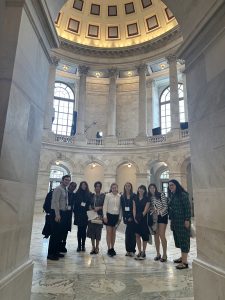
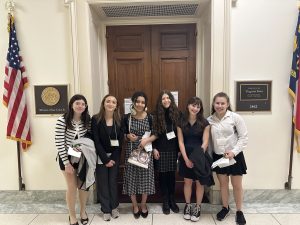
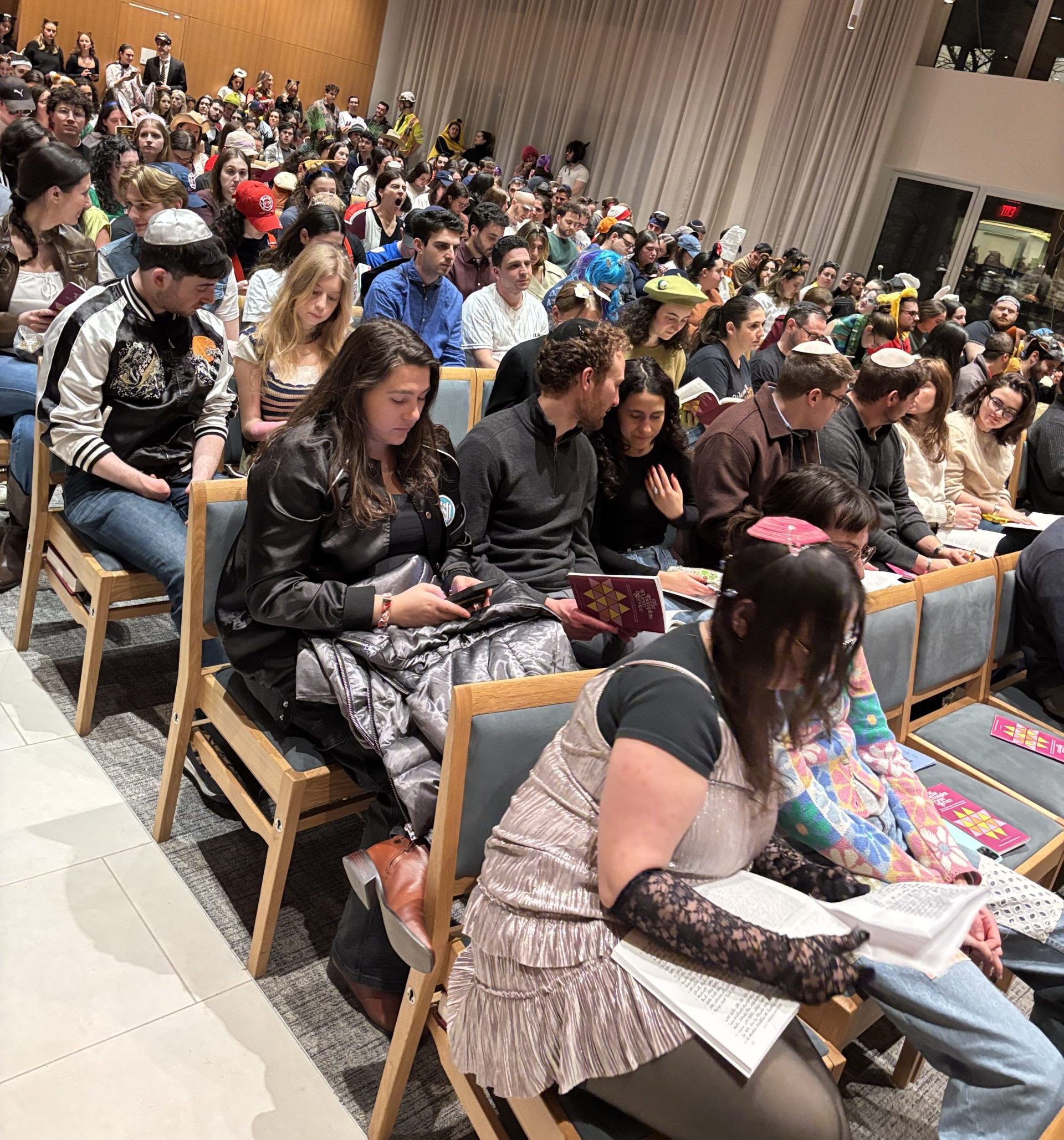
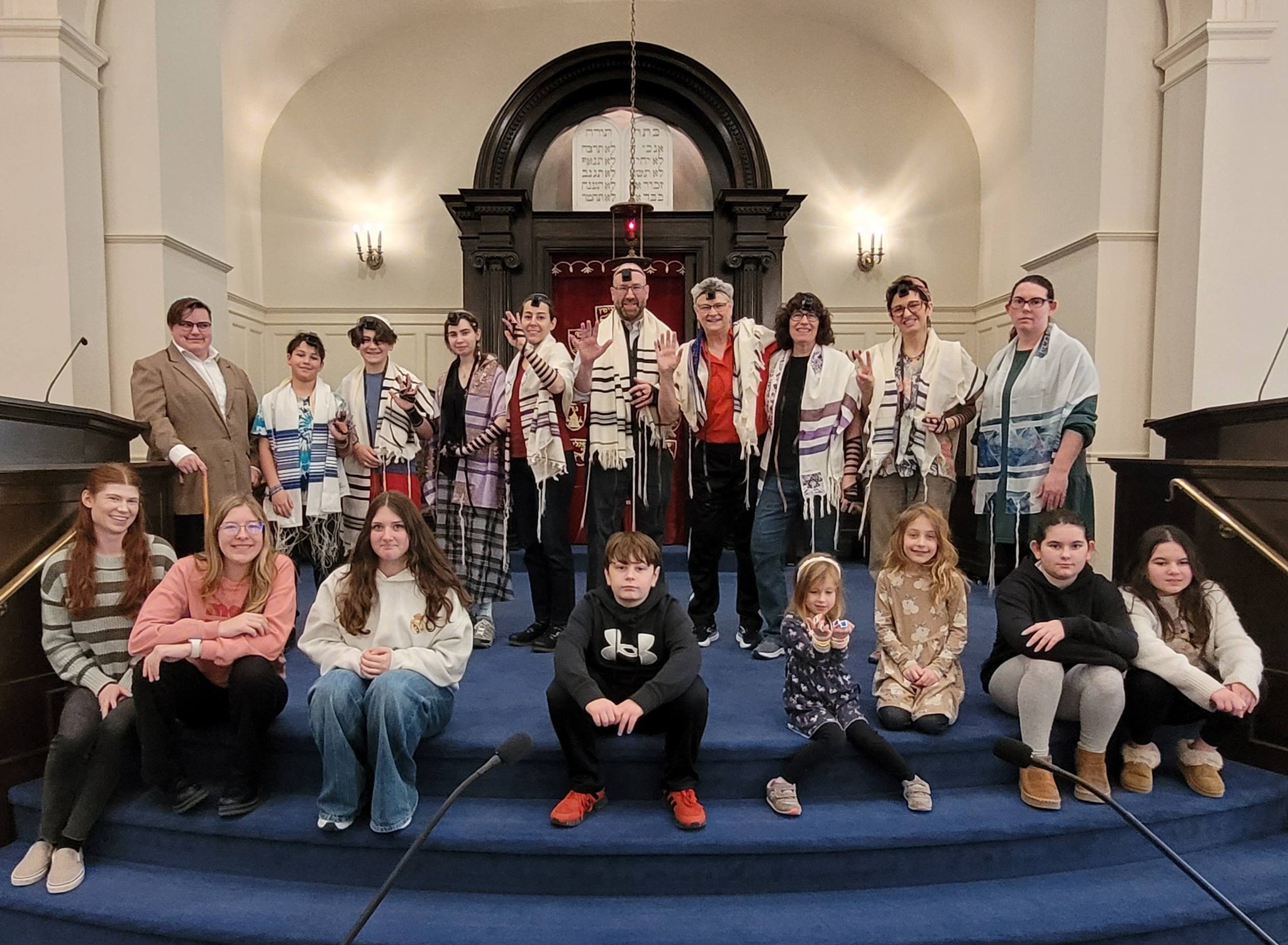
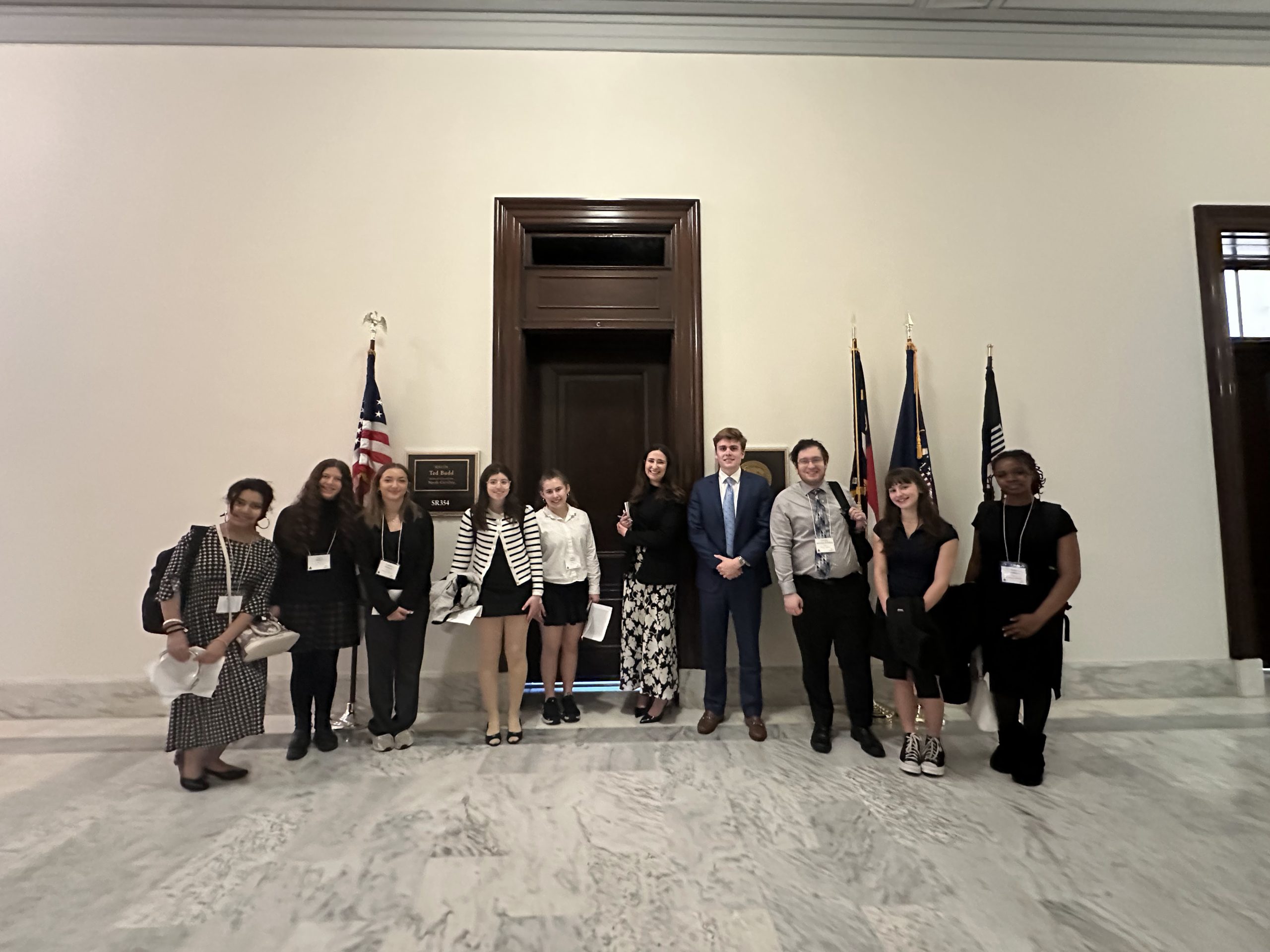
Recently, 34 teens from around the country and 7 rabbinical students from JTS (their staff) had a shabbaton at Adas Israel in Washington DC. There we nourished our souls and experienced one of the most dynamic Conservative Congregations in the Country. During a week of war and just after an attack on a synagogue in Michigan, the clergy team leaned heavily into joy as part of a culture that is resilient. We sang our hearts out in a way few would have anticipated we would do when we arrived.
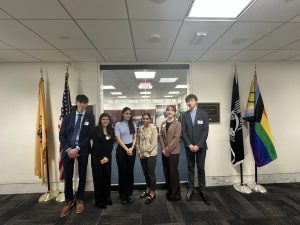
We trained the teens on the issues of immigration, reproductive rights and the environment and offered Jewish textual framing and information about specific legislation being considered in Congress and the Senate. The students told personal stories to their elected officials and their staffs about how and why these issues mattered to them.
We also visited American University where we met with Jewish students from American Hillel and the Executive Director from George Washington University Hillel, both of which are led by USY alumni. It was a chance to hear from some experts about what it takes to build an intentional Jewish life in college.
One thing we heard from the electeds and their staffs is that it is very important to come to Washington DC to make their voices heard; and no less important is to go to their state legislators because much of the change today will happen at the state level.
The Conservative/Masorti Movement is a movement that considers civic engagement as one of many halakhic requirements. Just like we keep Shabbat and kashrut and other mitzvot, we come from a tradition that teaches that people who sit at home and say what do the events of society have to do with me, bring destruction to our society. We come from a tradition that proclaims that if you are able to protest and you don’t, then you are culpable.
Protest can take many forms. It might mean leaning into joy. It might mean educating oneself about the issues of the day. It might be lobbying your elected officials to ensure that you are an engaged participant in society. We did all of those things on Ruchot. Together, USY, Ramah, JTS, The Rabbinical Assembly, and United Synagogue of Conservative Judaism hope that through our collaboration we are raising a generation of Jews who consider civic engagement to be part of their Jewish religious lives and that their Torah learning will bring love, justice and compassion to their local communities, the country and the world.
Rabbi Stephanie Ruskay
Rabbi Stephanie Ruskay, Associate Dean, Rabbinical School
Executive Director, Hendel Center for Ethics and Justice
Associate Director, Louis Finkelstein Institute for Religious and Social Studies
The Jewish Theological Seminary
בית המדרש ללימודי יהדות
www.jtsa.edu