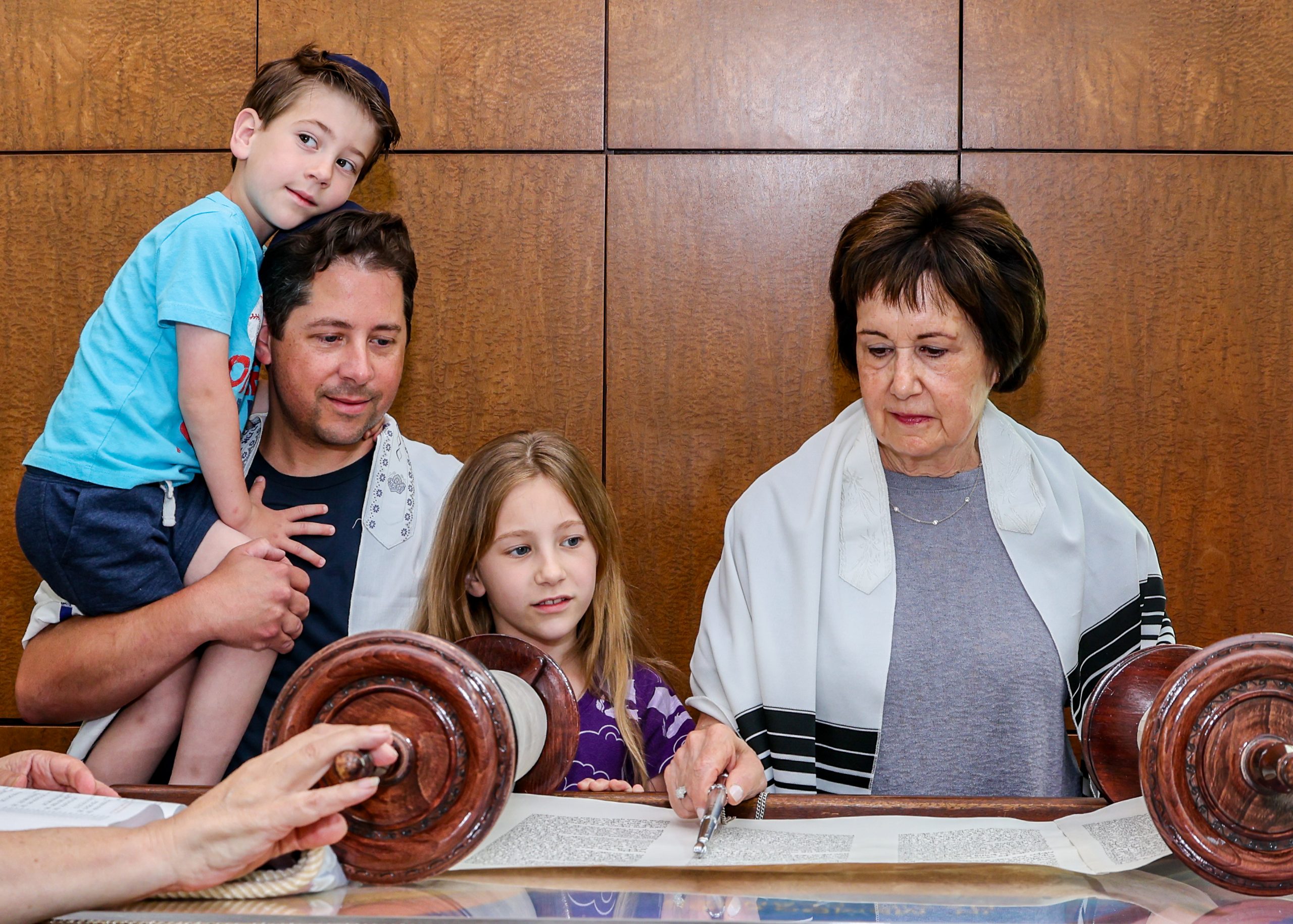

In communities across the Conservative/Masorti movement, we see families with an array of backgrounds building Jewish homes, raising Jewish children, and elevating our communities in countless ways.
For decades, our Movement’s approach to families where one partner is Jewish and the other is not was rooted in disapproval and shaped by fears about Jewish continuity. But today—as we connect with countless families who want to learn, participate, and belong—we are committed to welcoming people as they are and grounding our decisions in inclusion, personal relationships with clergy, and an authentic halakhic process.
As a Movement, we are firmly committed to continue moving from disapproval to engagement.
Over the past two years, our Intermarriage Working Group (IWG)—composed of clergy, professionals, and lay leaders from the Rabbinical Assembly, USCJ, and Cantors Assembly—explored these issues through listening, surveys, research, pastoral reflection, and broad community input. This work revealed a wide range of views and approaches to intermarriage, halakhah, and engaging couples and families.
Drawing on perspectives from across North America, Israel, and the world, the IWG has issued a report offering a practical roadmap with specific steps to strengthen Jewish life, families, and communities. It is designed to be implemented in North America in ways that reflect each community’s needs and values, and we are proud to share its key themes and findings with you.
Key Takeaways
Welcoming and affirming couples around their marriage.
We will explore roles clergy can play before, on, and after the wedding day, including ritual options to bless couples committed to building Jewish homes. The traditional Jewish wedding ceremony remains a particularistic ritual expression of Jewish identity for two Jewish partners. While the report does not alter the longstanding standard on officiation, it affirms that halakhah provides opportunities for inclusion for couples committed to Jewish life.
Acknowledging and healing hurt (Teshuvah).
Many families shared that they have felt dismissed, shamed, or excluded by past Movement approaches. We acknowledge this hurt, apologize for the alienation it caused, and are committed to repairing relationships whenever possible.
Supporting people to shape their own Jewish homes with joy and meaning.
We are moving from telling families what we hope for them to helping them build the Jewish lives they want for themselves. This includes pastoral guidance, clear pathways into Jewish life, investment in pastoral training, and new curricula about intermarriage for Jewish professionals. This also means making conversion accessible, personal, and grounded in dignity for those who wish to formally join the Jewish people.
The IWG report affirms that the clergy’s authority flows from relationships of trust, teaching, and pastoral care, not coercion. We are continuing discussions with the Committee on Jewish Law and Standards regarding rabbinic roles and rituals that support individuals, couples, and families.We thank the working group members – especially its chairs, Rabbi Aaron Brusso and Shirley Davidoff – for their commitment and thoughtfulness, and we encourage you to read the full report and explore the accompanying FAQs and summary.
Next Steps
RA, USCJ, and CA leadership will continue this work together, identifying opportunities to support individuals, couples, and families shaping their own Jewish homes. This includes developing updated educational resources and leading conversations with rabbis, cantors, and congregational leaders about ritual, pastoral, and communal practice.
Our hope is that the values and steps outlined in this report strengthen the sense of belonging for those—including you and your family members—who look to our Movement as a spiritual home. These efforts represent a significant step toward supporting the journeys of all who seek connection to Jewish life and helping them encounter open hearts and open doors.
We look forward to continuing this conversation with you—thoughtfully, respectfully, and with a shared commitment to the Jewish future.
Sincerely,
Rabbi Jacob Blumenthal, CEO of USCJ and RA
Rabbi Jay Kornsgold, President of the RA
Andy Schaer, President of USCJ
Rabbi Hazzan Jeffrey Myers, President of the CA
Cantor Matt Axelrod, Executive Director of the CA