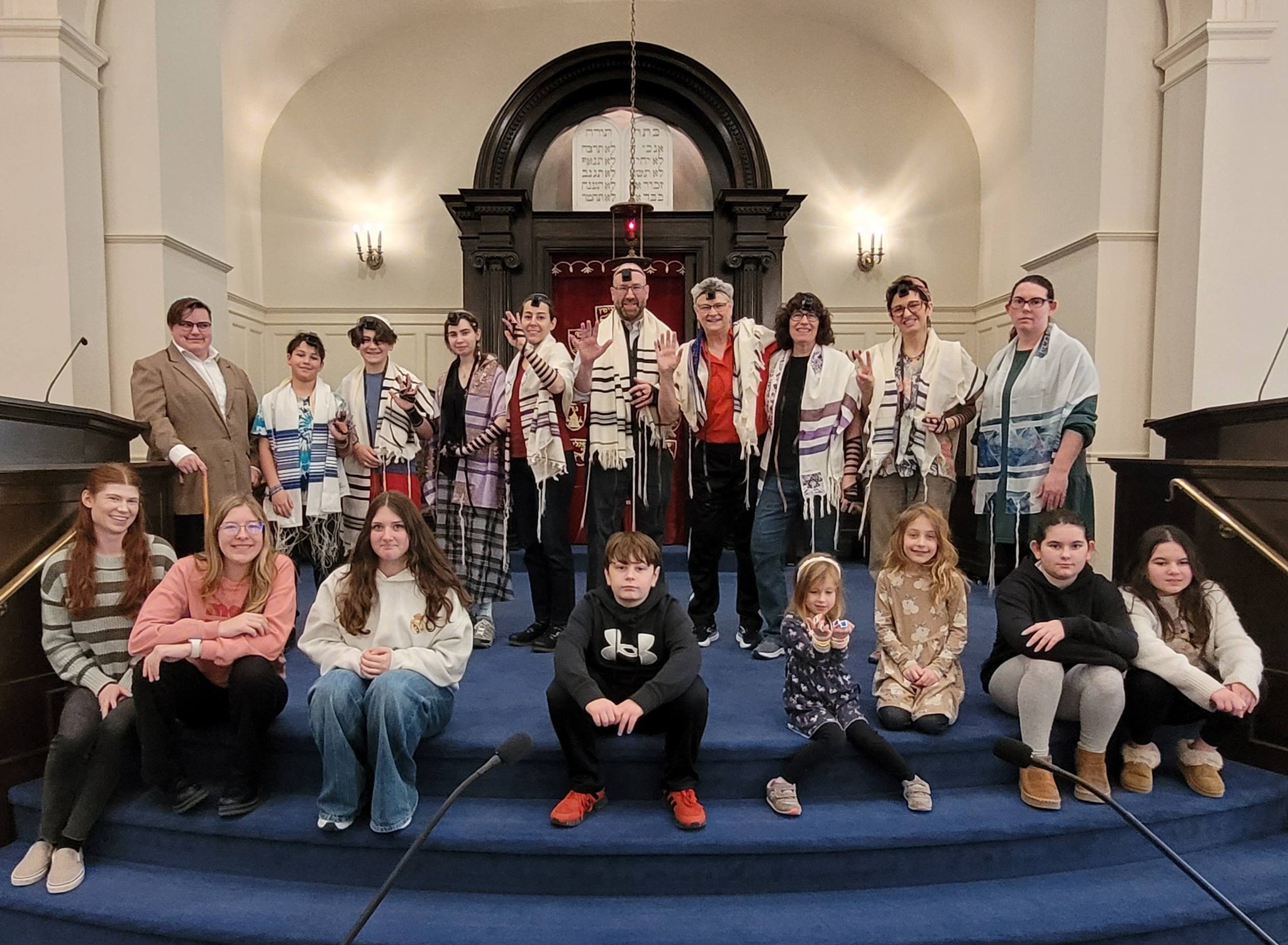
Shaare Torah in Gaithersburg, Maryland, is no stranger to antisemitic incidents. They have had swastikas painted on their synagogue building and were also recipients of several chalking incidents in the neighborhood – and these are just recent examples. Their community was hungry for action. They wanted to find solutions for how to better educate their neighbors and how to protect themselves. One of their congregants is a regional director for the Anti-Defamation League (ADL), and recommended joining the Kulanu cohort, a partner agency of USCJ. Kulanu, which is Hebrew for “all of us,” is an eight-month program dedicated to empowering congregations to address antisemitism and hate in their communities through education, community engagement, and advocacy. The community gained many tools for combating antisemitism since joining the cohort.
Shaare Torah has been a member of the ADL’s Kulanu cohort since October 7th, 2023. Jennifer Schnur, the Vice President of Religious Life and representative for Shaare Torah in the Kulanu cohort, especially remembers when they joined. Her daughter was on the Nativ gap year program in Israel. At the same time that Israel was under attack, their own community was battling antisemitism.
The Kulanu cohort meets regularly during the year and provides resources for congregations to run informative events. Shaare Torah ran an education event for their community and then one focused on advocacy.
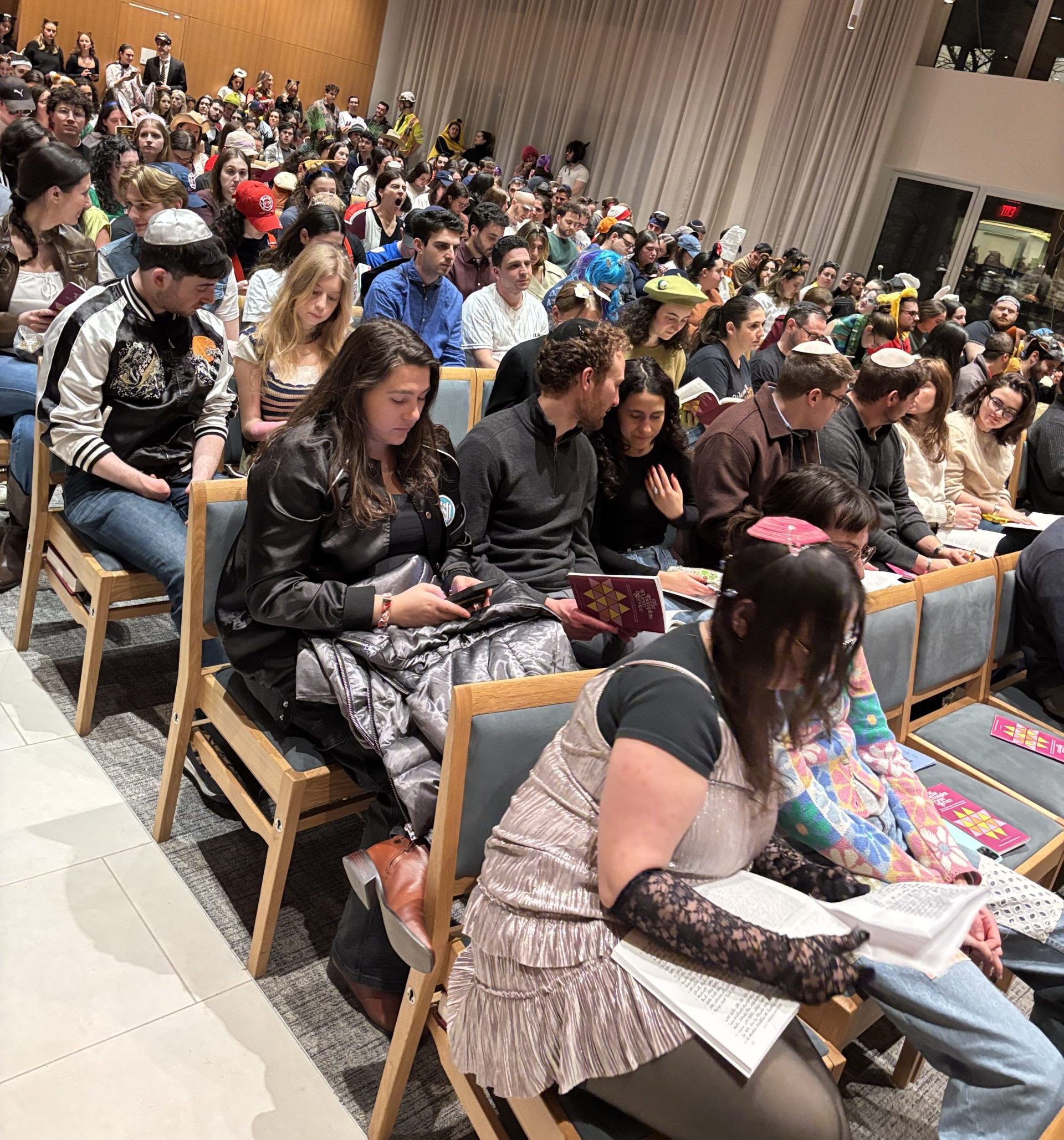
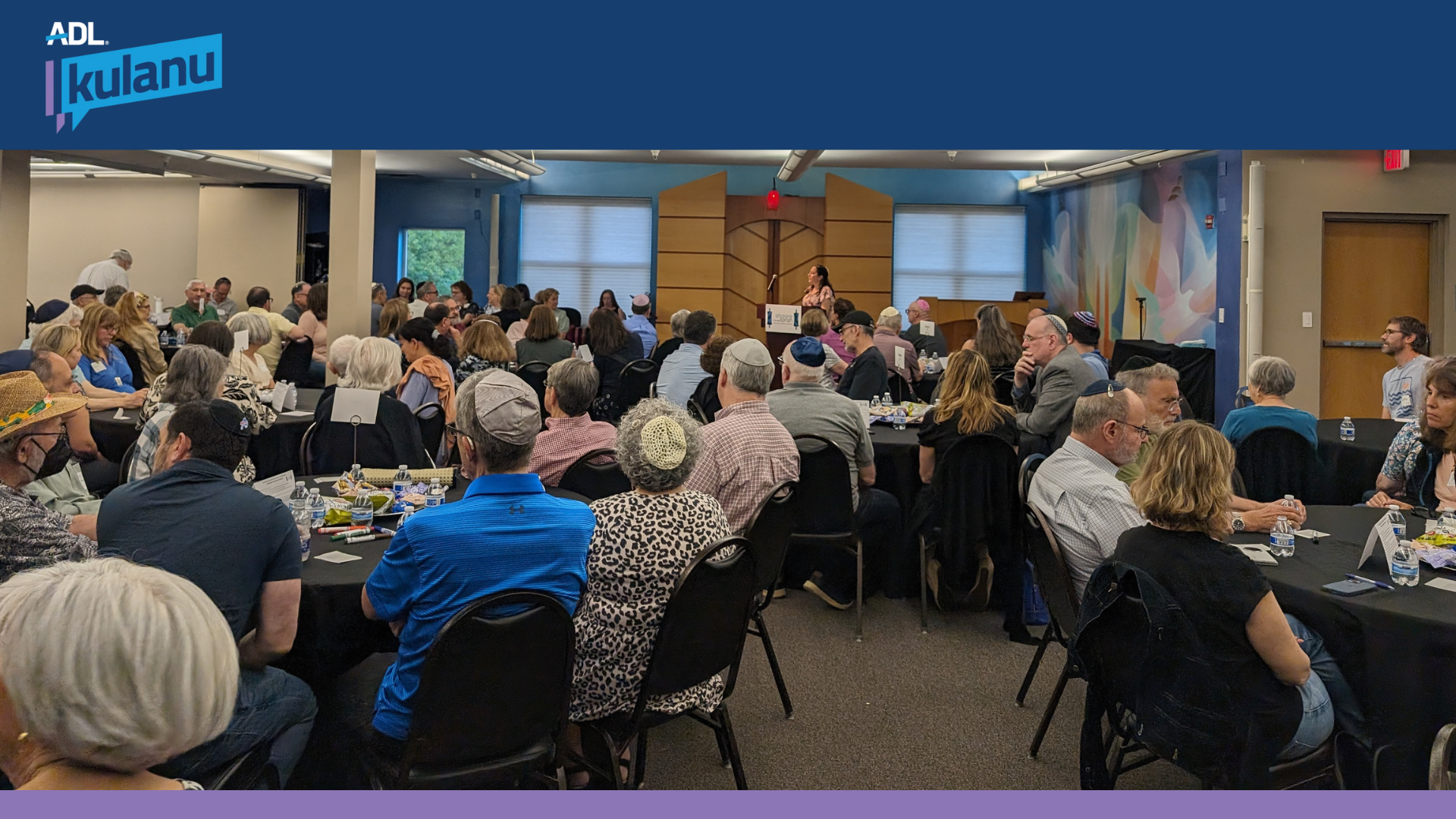
Their educational event was focused on their member’s reactions to the current climate of antisemitism. They had a representative from the ADL come and speak first, and then held roundtable discussions about how people were feeling, encouraging them to be open and honest. They also put together an informational pamphlet that served as a glossary for people to take home. They utilized Kulanu-specific resources to put together materials for the program along with extensive research guided by the Kulanu efforts.
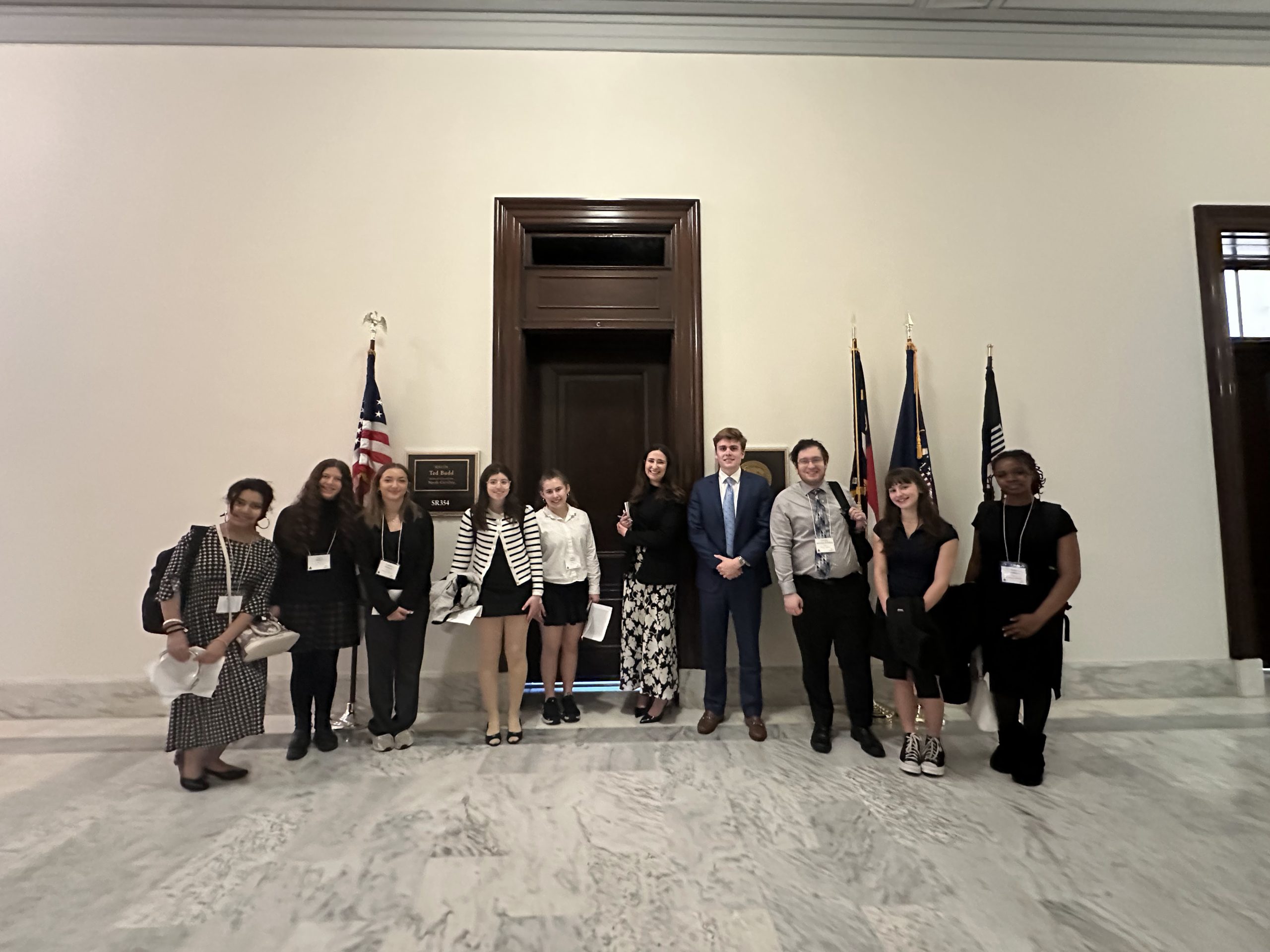
Their second event was focused on advocacy. Everyone wanted to know what they could be doing to help and wanted to get involved. This event was all about teaching people what resources existed, and how to take next steps to be advocates in the community. The feedback on both programs was overwhelmingly positive.
Jennifer notes, “the most impactful thing for me personally was when we read the survey feedback after our roundtable discussion. I found that incredible. I think we take for granted what people know and do not know. I appreciated that people were very honest in their feedback and that they really shared their words and responses. And I was really touched by the survey feedback and how meaningful this program was for people.”
Kulanu enabled them to put on these programs. The cohort had many other benefits as well. It was a great platform for sharing and exploring ideas across the continent.
Jennifer recalls, “I think it’s amazing. I think listening to others is so helpful. There was one Zoom call that we had in particular, where myself and another participant went back and forth about our ideas. We had very similar programs. And I think we both pulled information from each other that really made our programs stronger.”
By being part of the cohort, members are also learning how other communities are solving similar issues. These issues are not just impacting specific regions; they are everywhere.
Jennifer states, “You’re able to hear other ideas or opportunities that you would never hear without that avenue, that opportunity to be able to share. I think that, unfortunately, antisemitism and these issues that we’re dealing with are not specific to our area and something that we can all learn from each other. So by having a program that can facilitate us getting together to share our experiences is very helpful.”
To any congregations considering joining and becoming an advocate against antisemitism, Jennifer says “unfortunately, it’s everywhere and education is important. It’s important to hear what’s happening around the country and other communities. And knowledge is power. Just understanding what’s happening in other communities will only make you stronger. And I think that’s the number one key to being successful.”
She agrees we need more congregations to join to continue this fight. Fortunately, there are resources out there. The Kulanu cohort is a prime example.
Jennifer notes, “I think it’s important to understand there’s a lot of support out there and that nobody is ever alone in any of this. And I think that was something that we found really useful also, when we had a question or we weren’t sure how to do something, there are a lot of partners out there that have done this before and that know what to do. So it’s just a matter of asking and figuring it out and, you know, it’s very possible.”
Learn more and join the ADL’s next Kulanu Cohort here.